Quick Answers:
If you want a premium, long-lasting logo, embroidery is the best choice. If you need colorful designs, lower costs for bulk orders, or detailed graphics, printing (like screen printing or DTG) is the better option. The right method depends on your design, fabric, budget, and brand goals.
What Is Embroidery in Custom Apparel?
I’ve always seen embroidery as the gold standard for professional branding.
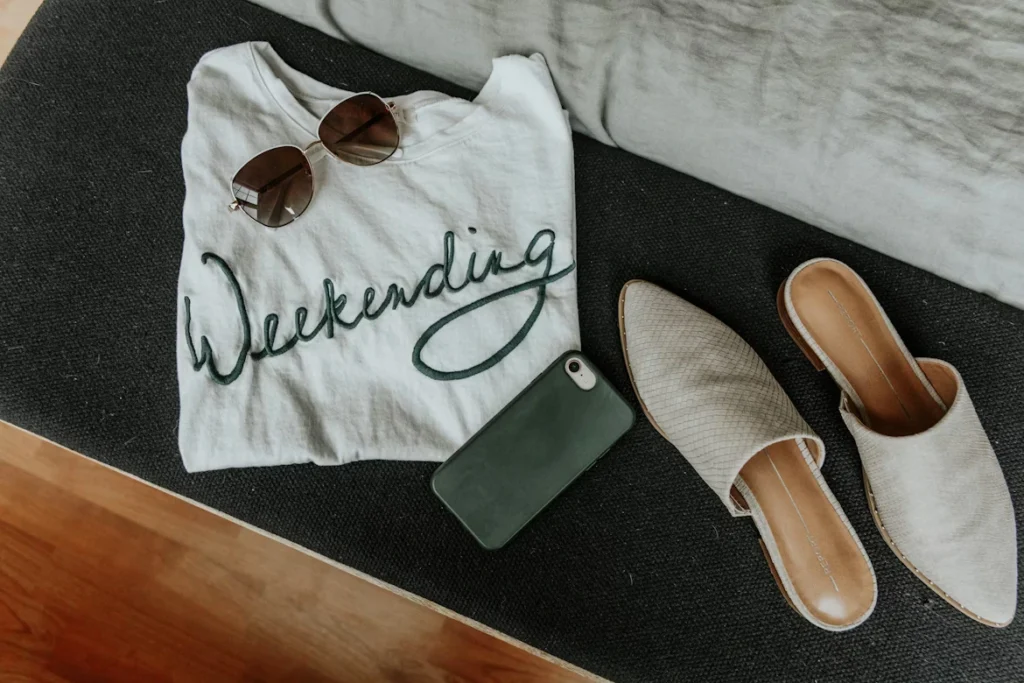
Embroidery is the process of stitching a design directly into fabric using thread. The design is digitized and then executed by specialized embroidery machines. Unlike printing, this method creates a textured, dimensional finish that feels part of the garment.
You’ll often see embroidery used for:
- Corporate uniforms
- Polo shirts
- Caps and hats
- Heavy-duty workwear
What stands out is its structural integrity. The threads interlock with the fabric, making it extremely resistant to wear.
Advantages:
- Exceptional durability (can last years)
- Premium, tactile appearance
- Fading, peeling, or cracking
Limitations:
- Not ideal for complex artwork or gradients
- Higher cost for large designs due to stitch density
What Is Printing? (Screen Printing, DTG & More)
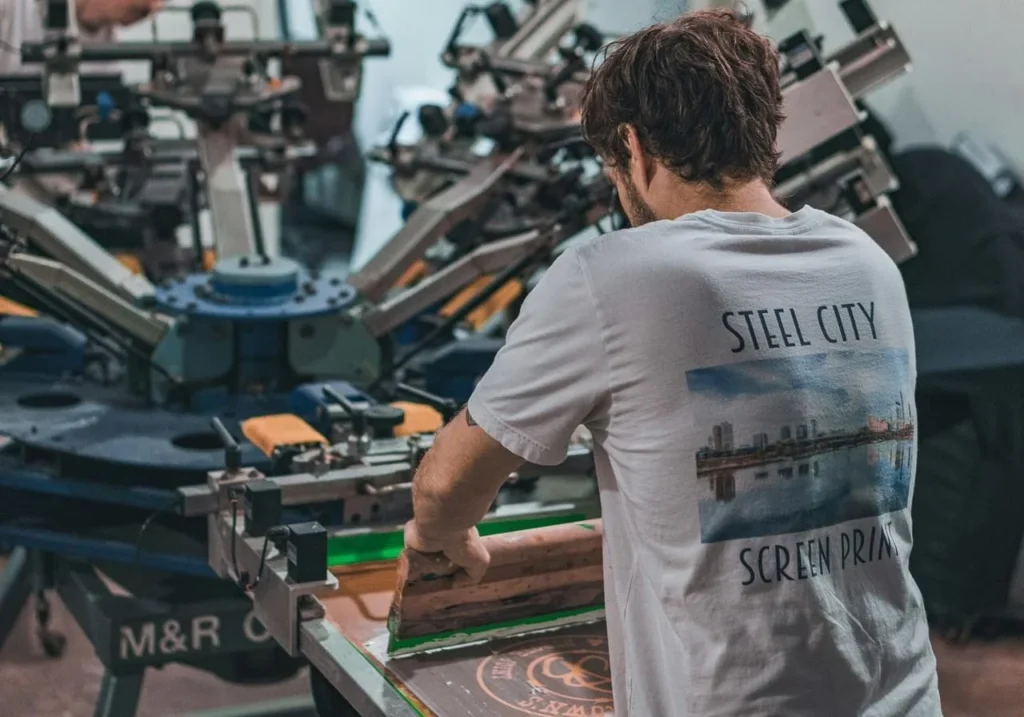
Printing applies ink directly onto the surface of the garment.
The most common techniques include:
- Screen Printing – Ink is layered through a stencil (great for bulk orders)
- DTG (Direct-to-Garment) – Ink is sprayed like a printer (ideal for detailed designs)
Printing is highly versatile and excels in visual complexity.
Advantages:
- Supports gradients and intricate details
- Vibrant, high-resolution designs
- Cost-effective for large quantities
Limitations:
- Can degrade over time (fading, cracking)
- Less premium feel compared to embroidery
Embroidery vs Printing vs DTG: Full Comparison
| Feature | Embroidery | Screen Printing | DTG Printing |
|---|---|---|---|
| Durability | Very high | High | Medium |
| Detail Level | Low | Medium | Very high |
| Texture | Raised | Flat | Flat |
| Setup Cost | Low | High | Low |
| Bulk Cost | High | Low | Medium |
| Best Use | Logos | Bulk apparel | Detailed graphics |
Cost Comparison: Embroidery vs Printing
This is where most decisions are made.
Embroidery Costs:
- Digitizing fee: one-time setup
- Pricing based on stitch count
- Ideal for small logos
Printing Costs:
- Screen setup fee (per color)
- Lower cost per unit in bulk
- DTG has no setup but higher per-unit cost
Example Pricing Logic:
| Quantity | Embroidery | Screen Printing |
|---|---|---|
| 10 items | Expensive | Expensive |
| 50 items | Moderate | Cheaper |
| 100+ items | High | Very cheap per unit |
Hidden Costs to Consider:
- Thread color changes
- Screen setup per color
- Reorders and design edits
Simple Rule:
- Small runs → Embroidery or DTG
- Large runs → Screen printing
Which Lasts Longer?
From experience, embroidery is unmatched in longevity.
Embroidery:
- Can last the lifetime of the garment
- Resistant to washing, UV exposure, and abrasion
Printing:
- Screen printing lasts longer than DTG
- May fade after repeated washes
- Can crack if improperly maintained
Pro Tip:
To extend print life:
- Wash inside out
- Use cold water
- Avoid high heat drying
Design Limitations & Flexibility
This is where many people make costly mistakes.
Embroidery Constraints:
- Minimum line thickness required
- No smooth gradients
- Limited color blending
- High stitch density increases cost
Printing Strengths:
- Unlimited color possibilities
- Handles photorealistic designs
- Works well for large prints
Design Checklist:
Before choosing a method, ask:
- Does my design have gradients? → Printing
- Is it a simple logo? → Embroidery
- Is it large and detailed? → Printing
Embroidery vs Printing by Fabric Type
Fabric plays a bigger role than most people realize.
Best for Embroidery:
- Thick fabrics (polo shirts, jackets)
- Structured garments (caps, uniforms)
Best for Printing:
- Lightweight fabrics (t-shirts)
- Cotton and cotton blends
- Smooth surfaces
Avoid:
- Embroidery on very thin fabrics (can cause puckering)
- Printing on rough or uneven textures
Best Use Cases (How I Decide in Real Situations)
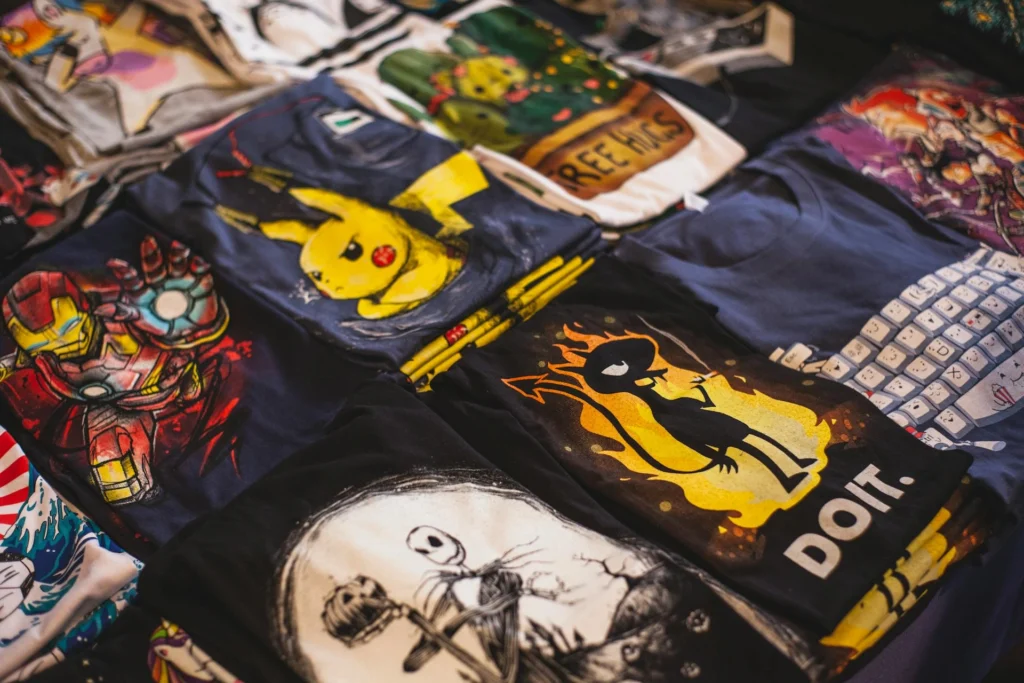
Over time, I’ve simplified the decision-making process.
Choose Embroidery If You Need:
- Corporate uniforms
- Professional branding
- Long-term durability
- Small logo placement
Choose Printing If You Need:
- Promotional apparel
- Streetwear collections
- Large, bold designs
- Budget-friendly bulk orders
Which Is Better for Your Business?
This is where strategy matters.
If You’re a Startup:
- Go with printing to reduce upfront costs
If You’re a Corporate Brand:
- Choose embroidery for a premium perception
If You Run a Clothing Brand:
- Combine both methods for versatility
Decision Tree:
- Low budget + large order → Printing
- High-end branding → Embroidery
- Complex design → Printing
- Simple logo → Embroidery
Embroidery vs Printing for Different Products
Choosing between embroidery and printing isn’t just about design, it heavily depends on the type of product, fabric behavior, and end use. Over the years, I’ve learned that the same logo can perform very differently across garments.
T-Shirts
T-shirts are where printing truly excels. Most t-shirts are made from lightweight cotton or cotton blends, which provide a smooth surface for ink absorption. This makes them perfect for screen printing and DTG printing.
Printing works best because:
- It supports large front and back designs
- Handles gradients, shadows, and photorealistic images
- Feels lightweight when done properly (especially DTG)
Embroidery on t-shirts is possible, but I usually recommend it only for:
- Small chest logos
- Minimalist branding
Why? Because heavy stitching can cause:
- Fabric puckering
- Discomfort due to stiffness
Polo Shirts
Polo shirts and embroidery go hand in hand. Polos are typically made from piqué fabric, which has a textured weave. Printing on this surface can look uneven, while embroidery sits cleanly on top.
Embroidery works well because:
- It complements the structured, professional look
- Enhances brand authority and trust
- Holds up well under frequent washing.
Printing on polos can work, but it often:
- Looks less refined
- Struggles with textured fabric.
Hats & Caps
Caps are dominated by embroidery and for good reason. The structured front panels of hats are ideal for stitching. Printing doesn’t adhere well due to curvature and fabric tension.
Embroidery advantages here:
- Maintains shape and visibility
- Adds a bold, raised logo effect
- Extremely durable for outdoor use
Printing on caps is rare and usually limited to:
- Specialty flat caps
- Promotional items.
Hoodies
Hoodies offer flexibility, but printing usually leads. Because hoodies are used heavily in streetwear and casual fashion, they often feature:
- Large front graphics
- Bold back prints
- Creative artwork
Printing is ideal because:
- It supports oversized designs
- Works well on fleece and cotton blends
- Keeps the garment comfortable
Embroidery still has its place:
- Small chest logos
- Sleeve details
- Premium branding accents
Workwear
Workwear is all about durability and embroidery dominates here. These garments are exposed to:
- Harsh environments
- Frequent washing
- Physical wear and tear
Embroidery performs better because:
- It doesn’t fade or peel
- Maintains brand visibility over time
- Reinforces a professional image
Printing can fail in these conditions:
- Cracking under stress
- Fading with repeated washes
Tote Bags
Tote bags sit right in the middle both methods work depending on your goal.
Printing is best when:
- You want creative, artistic designs
- The design is large or detailed
- You’re targeting promotional or retail use
Embroidery is best when:
- You want a minimal, premium aesthetic
- The logo is small and subtle
- You’re positioning a high-end brand
Fabric also matters:
- Canvas totes handle both methods well
- Thin totes may not support heavy embroidery
Can You Combine Embroidery and Printing?

Yes, and this is where premium branding really shines.
Hybrid designs allow you to:
- Print large artwork
- Add embroidered logos or accents
This creates a multi-dimensional aesthetic that stands out.
Best used for:
- Streetwear brands
- Premium merchandise
- Fashion-forward collections
Sustainability Considerations
Sustainability is becoming a key decision factor.
Embroidery:
- Long lifespan reduces waste
- No chemical ink usage
Printing:
- Depends on ink type
- Water-based inks are more eco-friendly
Choosing quality over quantity is often the most sustainable approach.
Common Mistakes to Avoid
I’ve seen these mistakes happen repeatedly:
- Choosing embroidery for complex designs
- Using printing for heavy-duty uniforms
- Ignoring fabric compatibility
- Not considering long-term durability
- Focusing only on upfront cost
Avoiding these can save both time and money.
When NOT to Use Embroidery or Printing
Avoid Embroidery When:
- The fabric is too thin
- The design is highly detailed
Avoid Printing When:
- You need extreme durability
- The garment is heavily textured
Step-by-Step: How to Choose the Right Method
- Define your purpose (branding vs fashion)
- Analyze your design (simple vs complex)
- Consider your budget
- Evaluate fabric type
- Choose the method that aligns with all factors
Conclusion
If I break it down simply:
- Choose embroidery for durability, professionalism, and premium branding
- Choose printing for flexibility, affordability, and creative freedom
The best results often come from understanding both methods and using them strategically.
In the end, it’s not about which is better—it’s about what works best for your specific needs, audience, and brand identity.
FAQs
Which is better embroidery or printing?
Embroidery is better for durability, premium appearance, and professional branding. Printing is better for detailed designs, vibrant colors, and cost-effective bulk orders. The best choice depends on your design, budget, and use case.
Does embroidery last longer than printing?
Yes, embroidery generally lasts longer. Since the design is stitched into the fabric, it can withstand frequent washing, friction, and long-term wear. Printing, especially lower-quality prints, may fade or crack over time.
Is embroidery more expensive than printing?
In most cases, yes. Embroidery is priced based on stitch count and machine time, making it more expensive for large or complex designs. Printing is usually cheaper for bulk orders, especially with screen printing.
Does screen printing crack or fade?
Yes, screen printing can crack or fade over time, especially if the garment is not properly cared for. However, high-quality screen printing can last a long time if washed correctly.
What is the cheapest method for custom apparel?
Screen printing is the cheapest option for large orders. For small quantities, DTG (Direct-to-Garment) printing is more cost-effective since it doesn’t require setup fees.
Is DTG better than embroidery?
DTG is better for highly detailed and colorful designs, especially for small orders. Embroidery is better for durability and premium branding. Both serve different purposes.