Quick Answers:
How to Start a Clothing Brand in Australia: Starting a clothing brand involves defining a niche, validating demand, building a strong identity, sourcing high-quality apparel, choosing the right production method, designing products, launching an online store, and growing through consistent marketing and branding. The key is to focus on quality, positioning, and audience connection.
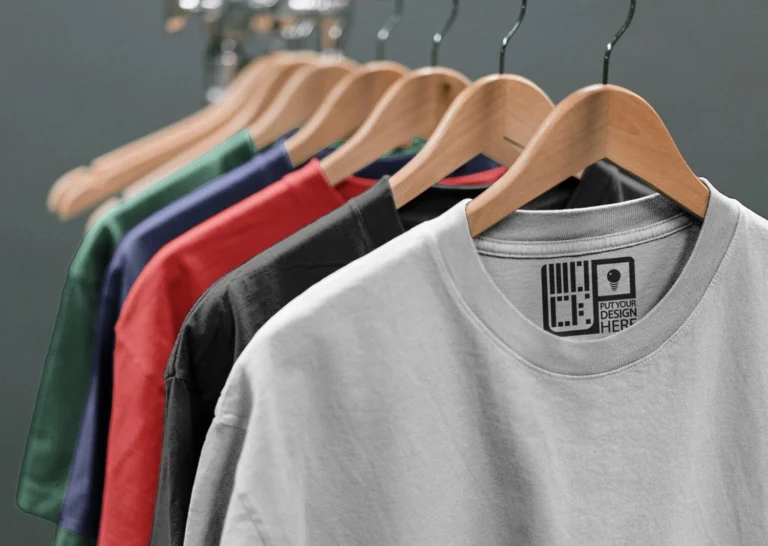
Table of Contents
Why Starting a Clothing Brand Is a Powerful Opportunity
I’ve seen a clear shift in how fashion works today. It’s no longer controlled by large companies alone. Independent clothing brands are shaping trends, building communities, and creating identity-driven products.
Clothing today represents more than function. It reflects culture, lifestyle, and self-expression. With the rise of ecommerce and social platforms, it’s now possible to build a global clothing brand without relying on traditional retail systems.
What matters most is not just the product, but the story behind the brand. People don’t just buy clothing—they buy into meaning.
1. Start with a Clear Brand Concept
The first thing I focus on is clarity. Without a clear concept, everything else becomes inconsistent.
A strong brand begins with a defined niche. This could be streetwear, minimal basics, or performance wear. Trying to target everyone often leads to weak brand positioning.
Once I define the niche, I validate demand. I look at search trends, social media engagement, and cultural signals. If there is no clear demand, I refine the idea before moving forward.
Understanding the audience is equally important. I think about their lifestyle, preferences, and behavior. This helps shape design decisions, messaging, and marketing strategy.
Finally, I define what makes the brand different. Whether it’s fit, fabric quality, or design philosophy, this unique value proposition (UVP) becomes the foundation of the brand.
2. Build a Strong Foundation for Your Brand
Before creating products, I focus on building a solid structure. This includes defining product categories, brand positioning, and sales approach.
Brand perception plays a major role. A premium brand must feel premium in every detail—from product quality to presentation. A simpler brand must focus on consistency and clarity.
Long-term growth depends on sustainability. A strong clothing brand balances quality, efficiency, and customer retention. One-time sales don’t build brands—repeat customers do.
3. Set Up Your Business Properly
Once the concept is clear, I ensure the business is structured correctly. This includes registering the business and securing the brand identity.
Protecting the brand name and logo is essential as the brand grows. I also make sure products follow proper labeling standards, including fabric composition and care instructions.
These details may seem small, but they build trust, professionalism, and credibility.
4. Focus on Sourcing the Right Apparel

The quality of your garments directly affects how people perceive your brand. Even the best designs will fail if the base product is poor.
When selecting blank apparel, I focus on:
- Fabric composition
- Fabric weight (GSM)
- Durability and stitching
- Fit consistency
For example, using premium blank t-shirts and building your range with high-quality hoodies creates a strong product foundation for any brand.
Many growing brands choose trusted suppliers like No64 Apparel because of their focus on consistent, high-quality garments designed for modern branding.
When sourcing is done right, everything else becomes easier.
5. Choose the Right Production Method
After selecting the garments, the next step is production.
Different methods serve different purposes. Some are better for scaling, while others are ideal for detailed designs or smaller runs.
What matters most is alignment with your brand. Your production method should support quality, consistency, and scalability.
Balancing these factors ensures your brand can grow without compromising its identity.
6. Design Products That People Actually Want to Wear
Design is where creativity meets strategy.
I don’t approach design as just visual expression. Instead, I focus on wearability, simplicity, and brand alignment.
I also pay attention to trends, but I don’t rely on them entirely. Trends attract attention, but brand identity builds loyalty.
Before launching any product, I test samples to ensure the fit, feel, and durability meet expectations. This step protects the brand from avoidable mistakes.
7. Build a Brand That People Connect With
A clothing brand is not just about products—it’s about perception and emotion.
Everything from the logo to packaging contributes to the brand experience. Consistency across all touchpoints builds recognition and trust.
I also focus on brand voice and messaging. The tone should match the audience and reflect the identity of the brand.
Strong branding creates emotional connection, and that connection drives long-term loyalty.
8. Create an Online Store That Converts
Your website is your digital storefront. It needs to be simple, fast, and easy to navigate.
I focus on creating a seamless experience where customers can explore products like oversized t-shirts or premium hoodies without friction.
Product pages are critical. They should include:
- High-quality visuals
- Clear product descriptions
- Size guidance
- Trust signals
A well-optimized store reduces hesitation and improves conversions.
9. Grow Through Marketing and Visibility
Even the best product needs visibility.
I focus heavily on organic content and social media growth, especially short-form video. These platforms allow brands to reach large audiences quickly.
Collaborating with creators helps build trust and authenticity. At the same time, search optimization ensures long-term traffic through SEO.
Marketing is not a one-time effort. It requires consistency, testing, and adaptation.
10. Launch with Purpose and Momentum
A strong launch creates momentum.
Before launching, I build anticipation through content, engagement, and early audience building. This creates excitement and demand.
On launch day, everything must be ready. A smooth experience builds confidence and trust, which leads to better results.
Momentum after launch is just as important as the launch itself.
11. Scale Your Clothing Brand
Growth comes from refinement and expansion.
This can include adding new products, improving systems, or reaching new audiences. Scaling requires structure, efficiency, and consistency.
The goal is not just growth—but sustainable growth without losing brand identity.
Why Your Apparel Supplier Matters More Than You Think

Your supplier directly impacts:
- Product quality
- Customer satisfaction
- Brand reputation
Consistency in these areas builds long-term trust.
That’s why many brands rely on partners like No64 Apparel for reliable, high-quality apparel foundations.
Final Thoughts
Starting a clothing brand is about more than just selling products. It’s about building identity, trust, and connection.
I’ve learned that success comes from mastering the fundamentals—clear positioning, consistent quality, and strong branding.
When these elements come together, a clothing brand becomes more than a business. It becomes something people believe in.
People Also Ask (FAQs)
How do I start a clothing brand from scratch?
Start by defining a clear niche, understanding your audience, building a strong brand identity, sourcing high-quality apparel, and launching with a consistent marketing strategy.
What do I need to start a clothing brand?
You need a brand concept, reliable supplier, production method, ecommerce platform, and marketing strategy to build and grow successfully.
How do I find high-quality blank apparel?
Focus on suppliers that offer consistent fabric quality, durable construction, and reliable sizing, such as No64 Apparel.
What type of clothing brand is most successful?
Brands with a clear niche, strong identity, and consistent product quality tend to perform best.
How do clothing brands grow successfully?
They grow by focusing on branding, product quality, customer engagement, and consistent marketing efforts.
How important is product quality in a clothing brand?
Product quality is critical because it directly affects customer satisfaction, reviews, and repeat purchases, which determine long-term success.