Quick Answers:
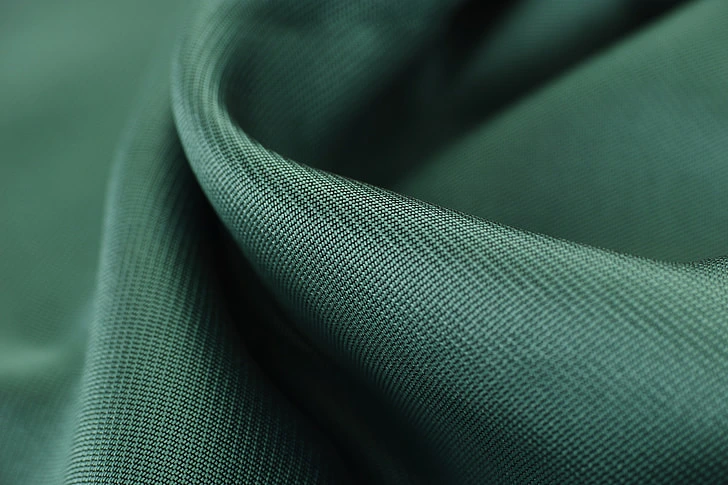
GSM stands for Grams per Square Metre. It measures how much a one-square-metre piece of fabric weighs in grams. The higher the GSM, the heavier, thicker, and more durable the fabric. Lower GSM fabrics are lighter, more breathable, and better suited to warm weather. For example, a 160 GSM t-shirt is a light everyday tee, while a 380 GSM hoodie delivers a premium, structured feel.
If you’ve ever ordered blank clothing or custom-printed apparel and noticed a number like 180 GSM or 320 GSM in the product specs, you’re already familiar with the term, even if you weren’t sure what it meant.
Understanding GSM is one of the most practical things you can do whether you’re starting a clothing brand, ordering uniforms, or stocking up on custom merch. It affects how your garments look, feel, print, wear, and last — and in Australia’s extreme climate variety, it matters more than most people realise.
This guide breaks it all down: what GSM means, how to read it, what ranges work best for each garment type, and critically, how to match GSM to your printing or embroidery method.
Table of Contents
What does GSM stand for?
GSM stands for Grams per Square Metre (also written as g/m²). It is the standard unit used globally in the textile industry to measure fabric weight.
Here’s the simplest way to picture it: imagine cutting a perfectly square piece of fabric exactly one meter by one meter. Place it on a scale. Whatever it weighs in grams, that number is the GSM.
A 160 GSM cotton tee and a 300 GSM hoodie are both made from cotton — but the hoodie uses almost twice as much material per square metre, making it thicker, warmer, and more substantial in hand.
GSM doesn’t tell you everything about a fabric, fiber quality, weave, and finishing all matter too, but it is the single most useful number when comparing garments side by side.
How is GSM measured?
Fabric mills measure GSM by cutting a circular sample of a precise area, weighing it on a calibrated scale, then scaling up mathematically to a full square metre. You can estimate GSM at home using a simple method:
- Cut a 10 cm × 10 cm square from your fabric
- Weigh it on a kitchen or postal scale in grams
- Multiply the weight by 100
- The result is the approximate GSM of that fabric
For example: if your 10 × 10 cm swatch weighs 1.85 grams, that fabric is approximately 185 GSM.
GSM Ranges Explained: From Sheer to Heavyweight
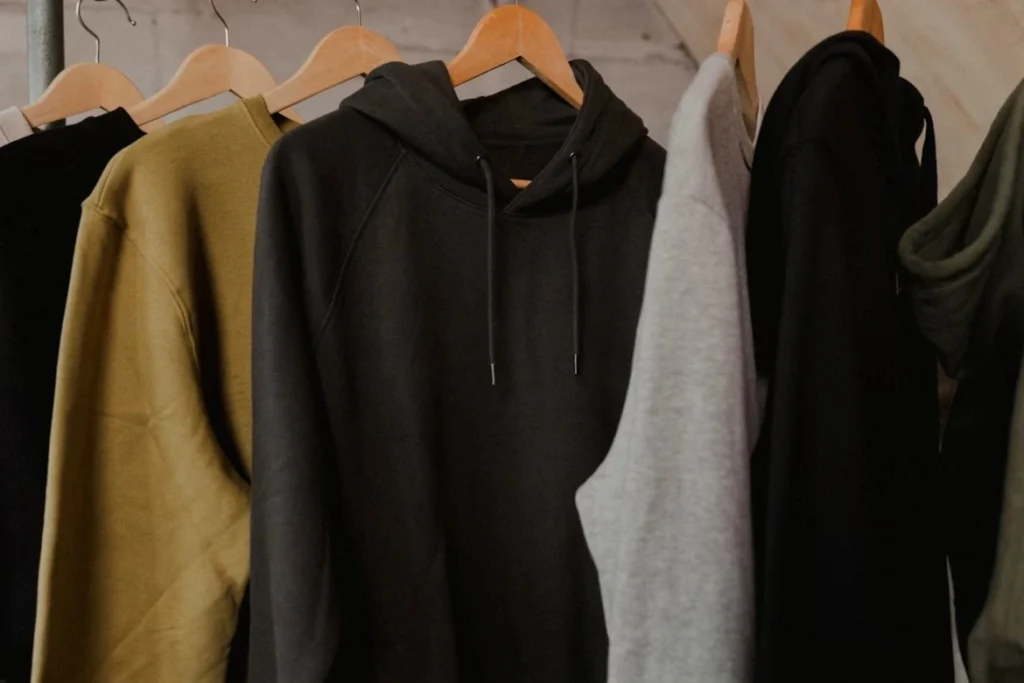
Different garments are designed for different GSM ranges. Here is a complete reference table covering the most common categories in blank apparel:
| GSM range | Category | Common garments | Best for |
|---|---|---|---|
| 100–150 GSM | Ultra-lightweight | Singlets, sheer tees, linings | Hot Australian summers, activewear |
| 150–180 GSM | Lightweight | Everyday t-shirts, polos, blouses | Year-round wear in warm climates |
| 180–220 GSM | Mid-weight | Premium tees, casual shirts | Branding, screen printing, DTG/DTF |
| 220–280 GSM | Medium-heavy | Structured tees, long-sleeves | Oversized fits, cooler seasons |
| 280–350 GSM | Heavyweight | Sweatshirts, light hoodies | Winter basics, embroidery base |
| 350–450+ GSM | Premium heavyweight | Thick hoodies, fleece jackets | Premium merch, embroidery, cold climates |
Lightweight (100 – 180 GSM)
Lightweight fabrics are the go-to for hot weather, active use, and breathable everyday wear. They drape fluidly, dry quickly, and feel airy on the skin. In Australia’s tropical north and during summer months, the 150–180 GSM range dominates, ideal for promotional t-shirts, singlets, sports jerseys, and event merchandise.
Mid-weight (180 – 280 GSM)
This is the sweet spot for most blank apparel. Mid-weight fabrics feel substantial and structured without being heavy or warm. They hold their shape well wash after wash, provide excellent opacity, and perform best with most decoration methods including screen printing and DTG/DTF. The 180 – 220 GSM range is the standard for premium everyday t-shirts.
Heavyweight (280 – 450+ GSM)
Heavyweight fabrics are built to last. They feel premium in hand, provide real warmth and structure, and are the standard for hoodies, sweatshirts, and workwear. They are also the most suitable base for embroidery, as the denser fabric holds thread tension without distorting. For Australian winters, particularly Melbourne, Canberra, and highland regions 320 – 420 GSM is the right choice for branded outerwear.
What Is the Best GSM for T-Shirts?
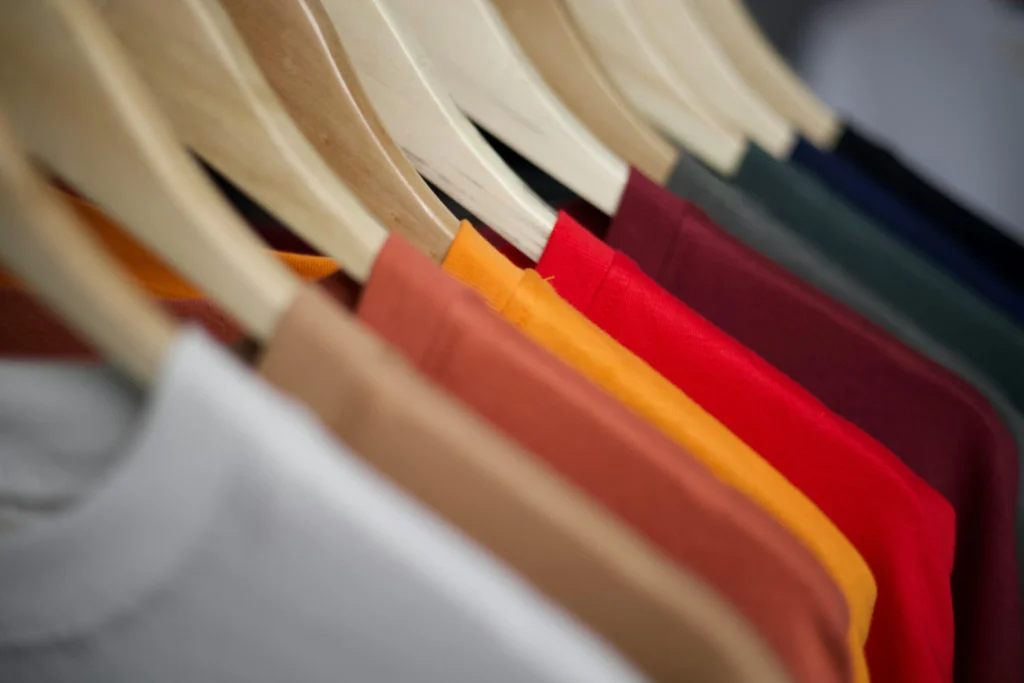
There is no single correct GSM for a T-shirt – it depends on purpose, climate, and the look you are going for. Here is a practical breakdown:
| GSM range | T-shirt type | Best use case |
|---|---|---|
| 140–160 GSM | Ultra-light | Summer events, giveaways, promotional tees |
| 160–180 GSM | Everyday lightweight | Casual wear, warm climates, basics brands |
| 180–200 GSM | Standard / premium | Retail tees, brand merchandise, uniforms |
| 200–220 GSM | Mid-heavy | Structured fits, oversized tees, autumn wear |
| 220–260 GSM | Heavyweight tee | Premium streetwear, boxy fits, winter basics |
Pro Tip: If you are ordering blank t-shirts for custom printing in Australia, 180-200 GSM is the most versatile choice. It prints cleanly, holds its shape, and works comfortably across most of the country’s climate zones.
What Is the Best GSM for Hoodies and Sweatshirts?
Hoodies and Sweatshirts involve significantly more fabric than t-shirts, so GSM has a bigger impact on warmth, weight, and overall feel.
| GSM range | Type | Best for |
|---|---|---|
| 200–250 GSM | Summer-weight hoodie | Layering in mild weather; lightweight merch |
| 250–320 GSM | Mid-weight hoodie | Year-round use; most popular for custom merch |
| 320–400 GSM | Heavyweight hoodie | Cold winters; premium branded apparel |
| 400+ GSM | Premium heavyweight | Streetwear; luxury feel; workwear outer layers |
For most Australian brands, the 300–380 GSM range hits the ideal balance: substantial enough to feel premium, not so heavy as to feel bulky in milder Australian winters.
Best GSM for Printing and Embroidery
This is where GSM knowledge becomes genuinely commercial. Choosing the wrong GSM for your decoration method leads to poor print quality, puckering, bleed-through, and wasted product. Here is what each method requires:
| Decoration method | Ideal GSM | Why it works | Avoid below |
|---|---|---|---|
| Screen printing | 180–220 GSM | Smooth, stable surface holds ink without bleed-through | 160 GSM |
| DTG / DTF printing | 180–220 GSM | Tight knit absorbs ink cleanly; edges stay sharp | 150 GSM |
| Sublimation | 160–200 GSM (polyester) | Lower GSM polyester absorbs dye evenly | Cotton blends |
| Embroidery | 200+ GSM | Heavier fabric holds thread tension; prevents puckering | 180 GSM |
Screen printing:
Screen printing deposits ink on top of the fabric — the surface must be smooth, stable, and dense. At 180–220 GSM with a tight knit, ink sits cleanly on the surface. Below 160 GSM, ink bleeds through the weave and the print loses sharpness.
DTG and DTF printing:
DTG and DTF work best on mid-weight fabrics with a tight, smooth knit. Cotton or cotton-rich blends at 180–220 GSM absorb ink evenly. Aim for 100% ring-spun cotton or a combed cotton blend for the best results.
Embroidery:
Embroidery is the most demanding decoration method for GSM. Thread stitched under mechanical tension will pucker, distort, or tear lightweight fabrics. A minimum of 200 GSM is needed for small logos; 280 GSM or above is best for larger or denser designs. Hoodies and polos in the 300+ GSM range are ideal for chest and sleeve embroidery.
Key rule: For embroidery, always go heavier. For DTG printing, mid-weight is the sweet spot. For screen printing, mid-weight with a tight knit wins every time.
Best GSM for Australian Conditions
Australia’s climate varies more dramatically than almost any other country – from Darwin’s year round tropical heat to Melbourne’s cold winters and Hobart’s near-freezing temperatures. That variation should directly inform your GSM choices when ordering blank apparel or custom printed clothing.
| Region / season | Recommended GSM | Garment examples |
|---|---|---|
| Tropical north (QLD, NT, WA coast) | 140–170 GSM | Lightweight tees, singlets, breathable polos |
| East coast summer (NSW, VIC, SA) | 160–190 GSM | Everyday tees, event shirts, casual polos |
| Temperate year-round | 180–220 GSM | Premium tees, structured basics, uniforms |
| Southern / highland winters (VIC, TAS, ACT) | 300–400 GSM | Hoodies, fleece, sweatshirts, outer layers |
| Corporate / uniform (all regions) | 200–280 GSM | Polos, structured shirts, workwear tees |
If ordering one range to cover the whole country: 180–200 GSM for t-shirts and 300–360 GSM for hoodies will serve most customers comfortably across most regions and seasons.
Does Higher GSM Mean Better Quality?
This is one of the most common misconceptions in apparel – and the short answer is no, not necessarily
Quality is determined by:
- Fiber type and grade: ring-spun vs open-end, long-staple vs short-staple
- Knit structure: single jersey, piqué, French terry, fleece
- Finishing processes: combing, compacting, pre-shrinking
- GSM: one important input among several
Within comparable quality tiers, higher GSM does correlate with durability, opacity, and a more premium hand feel. The takeaway: don’t use GSM alone as a quality filter, evaluate it alongside fiber composition and construction.
GSM vs OZ: What Is the Difference?
Some garment labels – particularly from US-based suppliers – list fabric weight in ounces per square yard (oz/yd2) rather than grams per square meter. These measure the same thing in different units.
The conversion formula: GSM = oz x 33.906 | oz = GSM / 33.906
| oz/yd² | GSM equivalent |
|---|---|
| 4.5 oz | ~153 GSM |
| 5.3 oz | ~180 GSM |
| 6.0 oz | ~203 GSM |
| 7.1 oz | ~241 GSM |
| 9.0 oz | ~305 GSM |
| 11.0 oz | ~373 GSM |
Frequently Asked Questions About GSM in Clothing
What does GSM stand for in clothing?
GSM stands for Grams per Square Meter. It is the standard measurement used in the textile industry to express how much a fabric weighs per square meter of surface area.
Is higher GSM always better quality?
No. GSM measures weight, not quality. A heavier fabric can still be made from low-grade fibres. True quality depends on fibre type, knit structure, and finishing processes — GSM is one factor among several.
What is a good GSM for a t-shirt?
For most purposes, 180–200 GSM is the ideal everyday t-shirt weight. It feels substantial, prints cleanly, and suits Australian conditions well. Promotional tees can go as low as 150 GSM; premium structured tees often sit at 220–260 GSM.
What GSM is best for screen printing?
180–220 GSM with a tight, smooth knit is the optimal range. The fabric is dense enough to hold ink without bleed-through, and the smooth surface ensures sharp print edges.
What GSM is best for embroidery?
A minimum of 200 GSM, and ideally 280 GSM or above for larger designs. Heavier fabric holds thread tension without puckering. Hoodies in the 320–380 GSM range are ideal for embroidery work.
What is the difference between 180 GSM and 220 GSM?
A 220 GSM t-shirt will feel noticeably thicker, heavier, and more structured. Better for cooler months, boxy fits, printing, and embroidery. A 180 GSM tee is better for warm weather, casual everyday wear, and lower-cost promotional runs.
What GSM is a standard hoodie?
Most mid-market hoodies sit in the 300–380 GSM range. Budget hoodies can be as low as 250 GSM; premium heavyweight hoodies often exceed 400 GSM. For Australian winters, 320–380 GSM is the sweet spot.
Does GSM affect how a fabric drapes?
Yes. Lower GSM fabrics drape softly and fluidly — ideal for flowy styles. Higher GSM fabrics are more structured and hold their shape — ideal for fitted or oversized garments where silhouette definition matters.
What is the best GSM for Australian weather?
For warmer regions: 160–190 GSM t-shirts. For southern states and winter: 300–380 GSM hoodies. Ordering one range nationally? 180–200 GSM tees and 300–360 GSM hoodies is a safe all-round choice.
How do I measure GSM at home?
Cut a 10 cm × 10 cm square of fabric, weigh it in grams, then multiply by 100. A 1.85 g swatch = approximately 185 GSM.
Ready to choose the right blank apparel for your project?
At No64 Apparel, every product listing includes GSM specifications so you can make an informed decision before you order. Whether you need lightweight summer tees, heavyweight hoodies for your winter drop, or mid-weight blanks built for screen printing and embroidery, we stock the right weights for every application.
Browse our full range of blank clothing and custom printing options, or get in touch if you need help matching GSM to your decoration method and order volume.
Ready to order the right GSM for your brand? Browse our premium blank hoodies, tees, and sweatshirts, or get in touch and we’ll help you pick the right weight for your project. Shop Blank Clothing | Contact Us